
Fashion 4 Women | Curated Style

Curated style refers to a thoughtful approach to fashion that emphasizes intentionality and personal expression. It involves selecting clothing and accessories that reflect an individual’s unique tastes while also considering how these pieces work together cohesively. This concept moves away from the fast fashion mentality, which often prioritizes quantity over quality. Instead, curated style encourages individuals to invest in timeless pieces that can be mixed and matched, creating a versatile wardrobe that stands the test of time.
The essence of curated style lies in the careful selection of items that resonate with one’s personal aesthetic. This process often involves evaluating current wardrobe staples and identifying gaps that need to be filled. By focusing on quality over quantity, individuals can create a collection of clothing that not only looks good but also feels good to wear. This approach fosters a deeper connection to one’s wardrobe, as each piece is chosen with purpose and consideration, ultimately leading to a more satisfying and sustainable fashion experience.
Key Takeaways
- Curated style focuses on intentional, cohesive outfit choices that reflect personal taste.
- A capsule wardrobe consists of versatile, timeless pieces that can be easily mixed and matched.
- Combining patterns and textures thoughtfully adds depth and interest to outfits.
- Vintage and thrifted items offer unique style opportunities while supporting sustainability.
- Dressing according to body type and occasion enhances confidence and appropriateness.
Building a Capsule Wardrobe
A capsule wardrobe is a streamlined collection of clothing that typically consists of a limited number of versatile pieces. The idea is to create a functional wardrobe that allows for easy mixing and matching, reducing decision fatigue when getting dressed. A well-curated capsule wardrobe often includes essential items such as basic tops, tailored bottoms, and classic outerwear, all of which can be combined in various ways to create different outfits. The goal is to have a cohesive selection of clothing that reflects personal style while being practical for everyday wear.
To build a capsule wardrobe, one should start by assessing their current clothing collection. This involves decluttering items that are no longer worn or do not fit well. Once the existing wardrobe is streamlined, the next step is to identify key pieces that serve as the foundation for the capsule. These might include neutral-colored tops, versatile dresses, and comfortable shoes. By focusing on quality materials and timeless designs, individuals can ensure that their capsule wardrobe remains relevant across seasons and trends.
Mixing and Matching Patterns and Textures
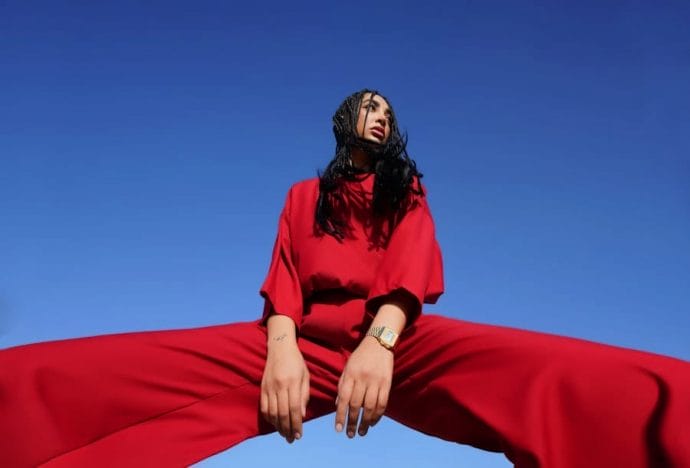
Mixing and matching patterns and textures can elevate an outfit, adding depth and interest to a look. This technique requires a certain level of confidence and creativity, as it involves combining different visual elements in a harmonious way. One effective strategy is to choose patterns that share a common color palette, allowing them to complement each other without clashing. For instance, pairing a striped top with floral trousers can create a balanced look when both pieces incorporate similar hues.
In addition to patterns, incorporating various textures can enhance the overall aesthetic of an outfit. Combining materials such as denim, silk, and leather can create a dynamic visual experience. For example, wearing a chunky knit sweater with sleek leather leggings not only adds contrast but also creates an engaging silhouette. The key to successful mixing lies in maintaining a sense of balance; too many competing elements can overwhelm the eye, while thoughtful combinations can result in a stylish and cohesive appearance.
Incorporating Vintage and Thrifted Pieces

Integrating vintage and thrifted pieces into a wardrobe offers both uniqueness and sustainability. Vintage clothing often carries a sense of history and character that contemporary fast fashion cannot replicate. Thrift stores are treasure troves for those willing to explore, as they provide opportunities to discover one-of-a-kind items at affordable prices. Incorporating these pieces into everyday outfits allows individuals to express their personal style while also making environmentally conscious choices.
When adding vintage or thrifted items to a wardrobe, it is essential to consider how these pieces will fit into the overall curated style. This may involve tailoring or altering items to ensure they fit well and align with current fashion sensibilities. Additionally, mixing vintage pieces with modern staples can create an eclectic yet polished look. For instance, pairing a vintage blazer with contemporary jeans can bridge the gap between eras, resulting in an outfit that feels fresh and original.
Embracing Sustainable and Ethical Fashion

| Category | Number of Items | Average Price | Top Selling Item | Customer Rating |
|---|---|---|---|---|
| Dresses | 120 | 75 | Floral Maxi Dress | 4.5/5 |
| Tops | 95 | 40 | Silk Blouse | 4.3/5 |
| Bottoms | 80 | 55 | High-Waisted Jeans | 4.4/5 |
| Outerwear | 60 | 120 | Trench Coat | 4.6/5 |
| Accessories | 150 | 25 | Leather Handbag | 4.7/5 |
Sustainable and ethical fashion has gained prominence as consumers become more aware of the environmental and social impacts of their clothing choices. This movement encourages individuals to seek out brands that prioritize eco-friendly materials, fair labor practices, and transparent supply chains. By supporting sustainable fashion, consumers can contribute to reducing waste and promoting ethical treatment of workers in the fashion industry.
Incorporating sustainable fashion into one’s wardrobe can take various forms, from choosing brands that align with these values to exploring second-hand shopping options. Many sustainable brands focus on creating timeless designs that are meant to last, reducing the need for frequent replacements. Additionally, adopting practices such as clothing swaps or upcycling old garments can further promote sustainability while allowing for creative expression. Ultimately, embracing sustainable fashion not only benefits the planet but also fosters a more mindful approach to personal style.
Dressing for Your Body Type
Discover the latest trends at Fashion Shop for all your style needs.
Understanding one’s body type is crucial for selecting clothing that flatters and enhances natural features. Different body shapes—such as hourglass, pear, apple, or rectangle—have distinct characteristics that can guide individuals in choosing styles that suit them best. For example, those with an hourglass figure may opt for fitted dresses that accentuate their waist, while individuals with a pear shape might choose A-line skirts that balance their proportions.
When dressing for body type, it is important to focus on fit rather than simply following trends. Tailoring garments can make a significant difference in how they look on the body, ensuring that clothing enhances rather than detracts from one’s silhouette. Additionally, experimenting with different cuts and styles can help individuals discover what makes them feel confident and comfortable. Ultimately, dressing for one’s body type is about celebrating individuality and finding pieces that resonate with personal style.
Incorporating Statement Accessories
Statement accessories serve as powerful tools for transforming an outfit from ordinary to extraordinary. These bold pieces—such as oversized earrings, chunky necklaces, or vibrant handbags—can add personality and flair to even the simplest ensembles. The key to effectively incorporating statement accessories lies in balance; when wearing bold accessories, it is often best to keep the rest of the outfit relatively understated to avoid overwhelming the overall look.
Choosing statement accessories should reflect personal style while also considering the occasion. For instance, a dramatic necklace may be perfect for an evening event but might feel out of place in a casual daytime setting. Additionally, layering accessories can create visual interest; stacking bracelets or mixing different types of earrings can add depth without detracting from the overall aesthetic. By thoughtfully selecting statement pieces, individuals can elevate their outfits and express their unique fashion sensibilities.
Styling for Different Occasions
Dressing appropriately for various occasions requires an understanding of context and personal style. Whether attending a formal event, casual gathering, or professional setting, selecting the right outfit involves considering both the dress code and individual preferences. For formal occasions, classic silhouettes such as tailored suits or elegant dresses are often appropriate, while casual events may allow for more relaxed styles like jeans paired with stylish tops.
In addition to considering the occasion itself, it is essential to factor in comfort and confidence when choosing an outfit. Feeling at ease in one’s clothing can significantly impact how one carries themselves throughout an event. Accessories also play a crucial role in adapting outfits for different settings; swapping out shoes or adding layers can transform a look from day to night seamlessly. Ultimately, successful styling for various occasions hinges on balancing personal expression with situational appropriateness, allowing individuals to navigate diverse environments with confidence and style.